
Lightweight Concrete Using Pumice Aggregate
Standards, Structural Design Basis, and Code Approvals
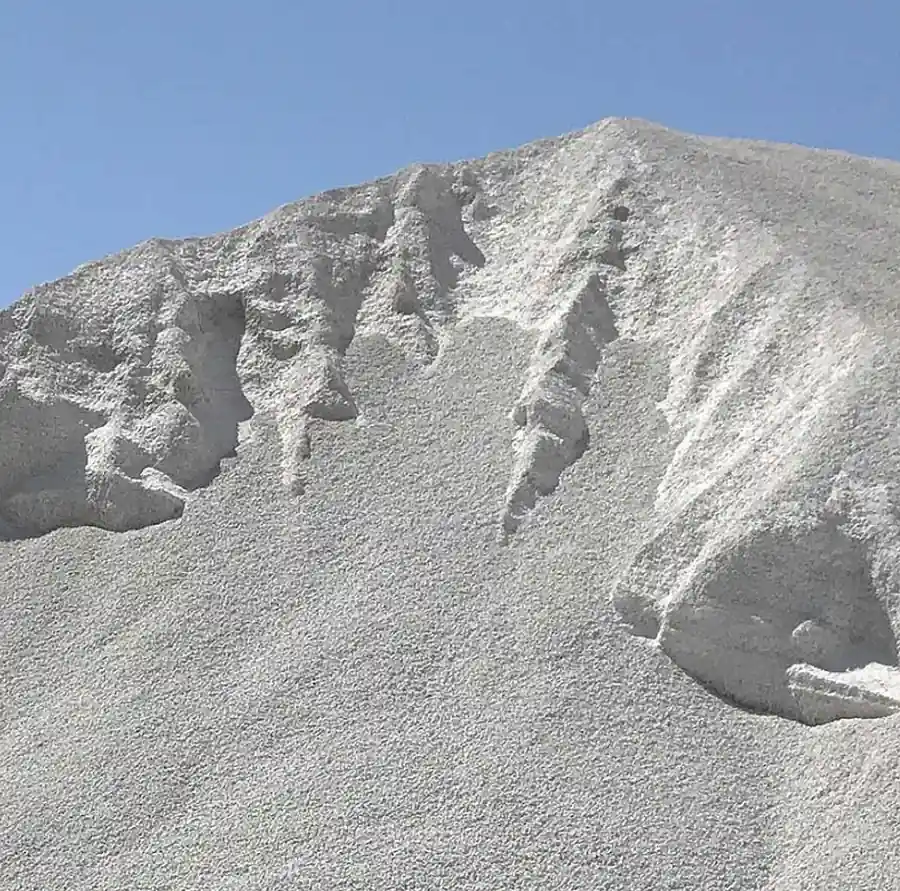
Lightweight concrete made with pumice aggregate is a proven construction material that combines structural strength, reduced self-weight, enhanced thermal performance, and long-term durability. Pumice is a naturally occurring volcanic material characterized by high porosity and low density, making it well-suited for both structural and architectural applications where efficiency and performance are required.
Please see the video below about the Pumice Blocks
Performance Characteristics
- Reduced Density
Structural lightweight concrete typically achieves an equilibrium density of 1,440–1,840 kg/m³, significantly lower than normal-weight concrete, resulting in reduced dead loads. - High Strength-to-Weight Ratio
Despite its low density, pumice-based lightweight concrete can achieve compressive strengths suitable for load-bearing structural systems. - Thermal & Acoustic Insulation
The porous structure of pumice improves thermal resistance and sound attenuation, enhancing occupant comfort and reducing energy demand. - Fire & Moisture Resistance
Lightweight concrete is non-combustible and performs well under fire exposure, while pumice’s mineral composition resists moisture degradation and biological attack. - Sustainability
Pumice aggregates reduce embodied carbon, lower transportation impacts, and contribute to long service life and environmental efficiency.
Applicable ACI Standards
The American Concrete Institute (ACI) provides authoritative guidance for the design and use of structural lightweight concrete:
- ACI 213R – Guide for Structural Lightweight-Aggregate Concrete
Defines material properties, mix design considerations, structural behavior, and performance expectations for lightweight aggregate concrete, including pumice-based systems.🔗 https://www.concrete.org/store/productdetail.aspx?ItemID=213R19 - ACI 318 – Building Code Requirements for Structural Concrete
Permits the use of structural lightweight concrete when material properties are verified through testing and design assumptions are properly accounted for.
🔗 https://www.concrete.org/store/productdetail.aspx?ItemID=318U19
Applicable ASTM Standards
Pumice aggregates and lightweight concrete are governed by several ASTM International specifications, ensuring material quality and performance consistency.
Aggregate Specifications
- ASTM C330 – Lightweight Aggregates for Structural Concrete
Covers lightweight aggregates suitable for structural concrete, including naturally occurring materials such as pumice.
🔗 https://www.astm.org/c0330 - ASTM C331 – Lightweight Aggregates for Concrete Masonry Units
Applies when pumice is used in masonry block production. - 🔗 https://www.astm.org/c0331
- ASTM C332 – Lightweight Aggregates for Insulating Concrete
Addresses lightweight aggregates intended primarily for thermal insulation rather than structural capacity. - 🔗 https://www.astm.org/c0332
Concrete Property Testing
- ASTM C567 – Density of Structural Lightweight Concrete
Establishes procedures for determining fresh and hardened concrete density.🔗 https://www.astm.org/c0567 - ASTM C39 – Compressive Strength of Concrete
Standard test method used to verify structural performance.
🔗 https://www.astm.org/c0039 - ASTM C496 – Splitting Tensile Strength of Concrete
Measures tensile capacity relevant to cracking and durability assessment.🔗 https://www.astm.org/c0496 - ASTM C469 – Modulus of Elasticity of Concrete
Used to determine stiffness characteristics critical for structural design.🔗 https://www.astm.org/c0469
Engineering & Construction Advantages
- Reduced self-weight lowers foundation size, reinforcement demand, and seismic forces.
- Improved constructability enables faster erection and reduced labor effort.
- Enhanced thermal performance supports energy-efficient building envelopes.
- Long-term durability results in lower maintenance and lifecycle costs.
A Proven Material for Modern Construction
Lightweight concrete using pumice aggregate is a standards-compliant, field-proven solution aligned with modern requirements for structural efficiency, sustainability, and occupant comfort. When designed and tested in accordance with ACI and ASTM standards, pumice-based lightweight concrete provides a reliable alternative for residential, commercial, industrial, and specialized building systems, including BeneCent applications.
عرض نسخة المطورين